• The Heart Behind “Out of Africa”: Robert Redford’s Quiet Brilliance

    The Heart Behind “Out of Africa”: Robert Redford’s Quiet Brilliance

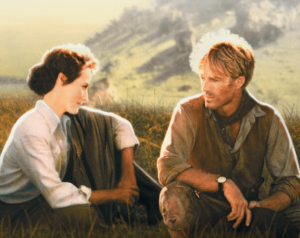
    The 1985 epic Out of Africa is one of the most beloved romantic stories ever put on film. But the magic between Robert Redford and Meryl Streep wasn’t just acting; it was a testament to Robert Redford’s quiet brilliance and his deep commitment to authenticity over imitation. He wasn’t just playing a character; he was bringing a real heart to the screen, creating a performance that defined the film’s timeless appeal and became a major chapter in his own life.

    The Accent That Wasn’t

    When Redford was cast as the enigmatic adventurer Denys Finch Hatton, there was one major hurdle: the real Finch Hatton was a formal British aristocrat. Co-star Meryl Streep, famous for her technical perfection, questioned how the all-American Redford would handle the role. Director Sydney Pollack, a frequent collaborator with Redford, made a bold, unconventional choice: he told Redford not to use a British accent, fearing it would distract the audience.

    Redford, trusting his director’s vision, agreed. He famously said, “The accent was Denys, but the heart was mine.” This decision grounded the character, making him feel less like a stuffy Englishman and more like a free spirit who truly belonged to the African landscape. It was a choice that prioritized emotion over imitation.

    The Iconic Scene That Almost Wasn’t

    The film’s most iconic and intimate scene – where Redford gently washes Streep’s hair by the river – almost didn’t happen. Director Sydney Pollack reportedly wanted to cut it, fearing it was too sentimental and slowed the film’s pace. But both Redford and Streep fought for it, insisting it was the “soul” of their characters’ love story.

    On the day of filming, Redford brought his signature realism. He didn’t just “act” washing her hair; he genuinely, tenderly washed it. The serene, vulnerable look on Streep’s face wasn’t scripted; it was her real reaction to his gentle care. That single, wordless moment of quiet presence became one of the most unforgettable and romantic scenes in movie history.

    Read More: The Hidden Meaning Behind Princess Diana’s Cannes Gown: A Heartfelt Farewell to Grace Kelly

    Becoming the Character

    Shooting Out of Africa in Kenya was grueling. The production battled scorching heat, unpredictable weather, and the dangers of wild animals. Lions and elephants sometimes wandered too close to the set. But for Redford, it was paradise.

    He fully immersed himself in the life of Finch Hatton. Between takes, he would often disappear for walks on the savanna, absorbing the vastness of the land. Streep joked they were always trying to find where “Bob” had wandered off. He wasn’t just pretending to be an adventurer who loved Africa; he was one. This authenticity is what made his performance feel so real.

    VIDEO

    A Legacy of Truth, Not Trophies

    When Out of Africa premiered, it was a massive success, winning seven Academy Awards, including Best Picture and Best Director. Curiously, Robert Redford’s quiet brilliance was overlooked, and he was not nominated for an Oscar.

    He didn’t seem to mind. For Redford, the awards were never the point. His performance captured the film’s true themes: the tension between wild freedom and deep love, and the bittersweet truth that some things are too vast to be possessed. He brought a soulful humanity to the role that transcended accents or accolades. That, in the end, is why his portrayal endures as one of his greatest triumphs.

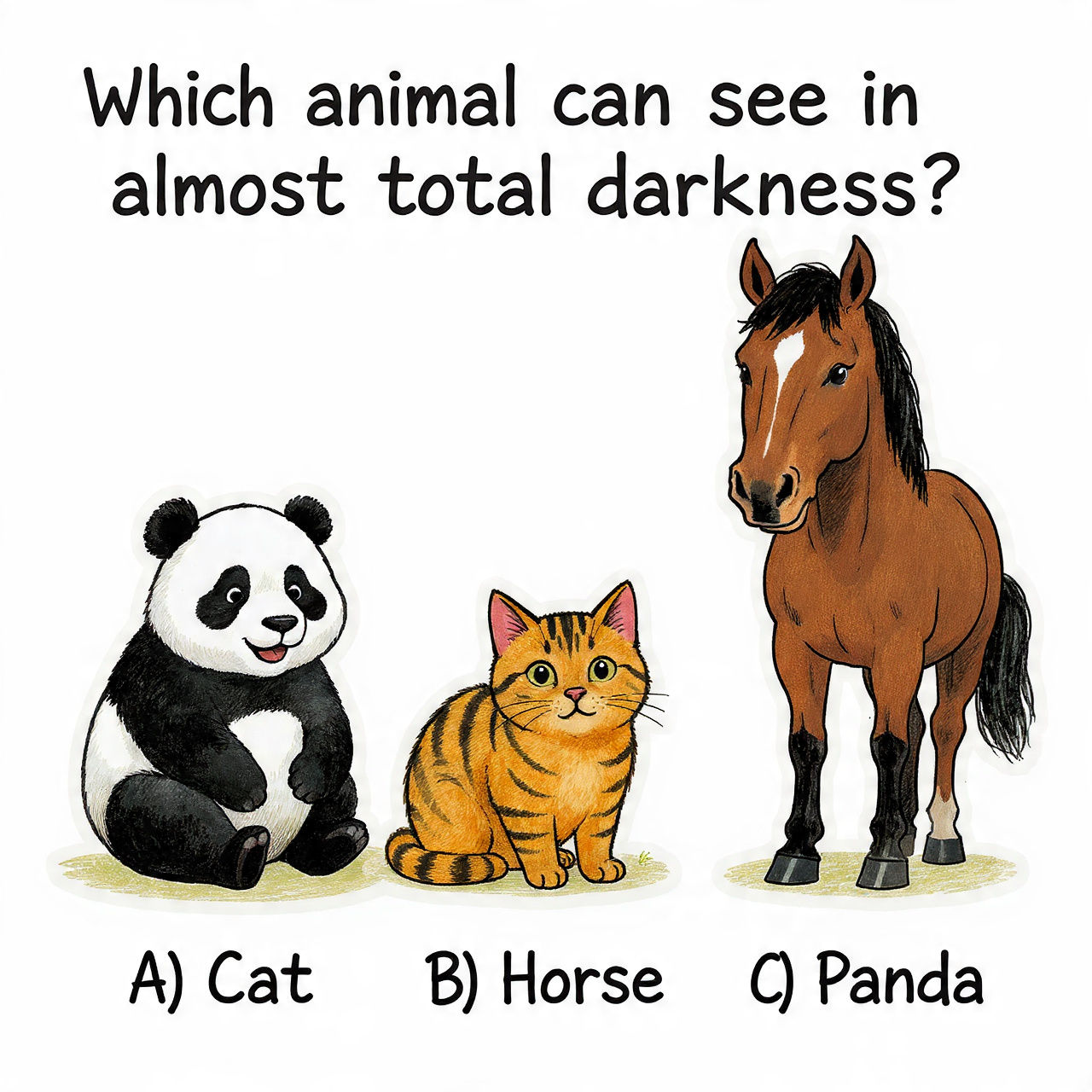
  • Animal that can see total in darkness??

    Animal that can see total in darkness??

    the right answer is A)

  • From Chemo Buddies to Soulmates — A Journey Written in Courage and Love 🎗❤️

    From Chemo Buddies to Soulmates — A Journey Written in Courage and Love 🎗❤️

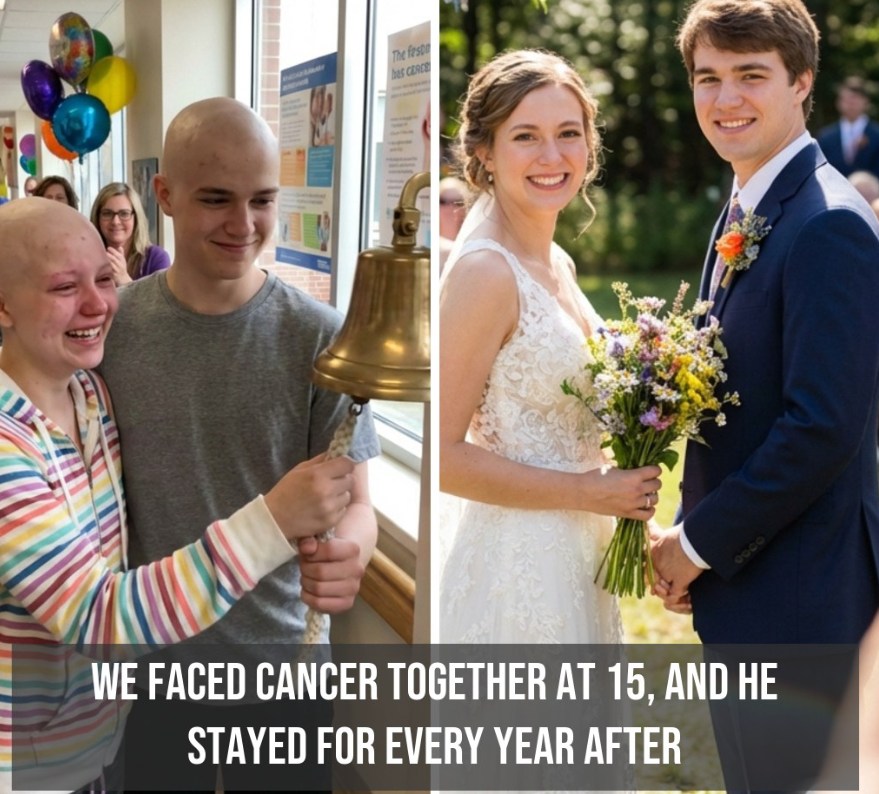
    I first met Ethan when we were just fifteen years old, both thrown into a world no teenager should ever expects to know: the oncology ward. 💉😢 Two scared kids hiding our fear behind jokes, shared snacks, and stolen smiles. The beeping machines, endless hallways, and that sharp antiseptic smell; everything felt like a prison at first. And yet, somehow, we found a little universe of laughter and understanding in each other. 💛

    Ethan finished his treatment before I did. Most people ring the victory bell with pure triumphant joy the moment they’re done. But not him. He waited. He refused to celebrate until I could join him, later telling me it was his way of holding onto hope for me — a promise made in courage and friendship. 🌟✨

    The months passed. I finally completed my treatment, and together we rang that bell — hands shaking, hearts overflowing. Surrounded by applause, it wasn’t just a victory over cancer; it was the first chapter of a bond that would last a lifetime. 🎗💖

    Ten years went by — countless scans, birthdays celebrated between hospital rooms, obstacles that tested o

    ur patience and faith. And through it all, Ethan remained my constant, my anchor in a world that often felt fragile and unpredictable. Every smile, every quiet conversation, every hardship we faced together deepened the love that had begun as friendship, forged in adversity. 💪❤️

    Finally, a full decade after meeting in that sterile oncology ward, we stood side by side at our wedding. 💍✨ The vows we exchanged weren’t just words — they were living proof of survival, resilience, and a love that grew stronger in the shadow of fear.

    Cancer brought us together, but it was love, commitment, and unwavering faith that kept us there. 🌈💖

    Our story is a reminder that even in the darkest hallways of life, light can be found. That friendships born in pain can blossom into a love so deep it defies the odds. And that hope — patient, stubborn, and fierce — has the power to turn fear into joy and struggle into forever. 🌟💛

    Ethan and I are living proof that sometimes the most beautiful love stories aren’t written in perfect moments, but in the courage to keep going… together. ❤️

  • Sydney Sweeney Faces Boycott Demands Following Controversial Advertisement

    Sydney Sweeney Faces Boycott Demands Following Controversial Advertisement

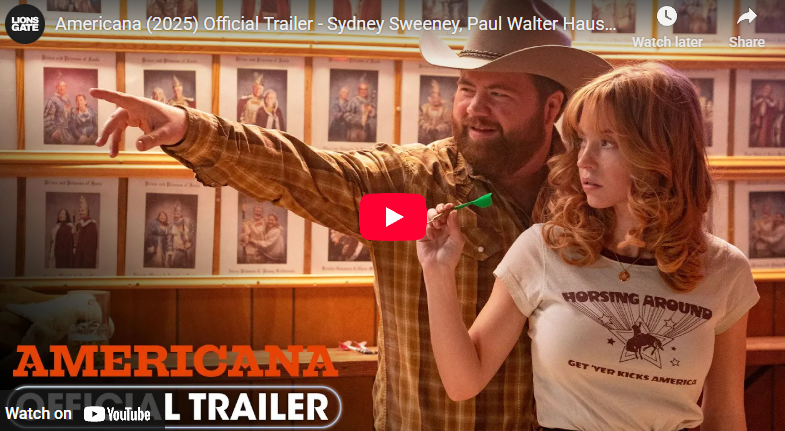
    Sydney Sweeney has returned to social media after a month of silence. She posted behind the scenes photos from her new movie Americana, calling it a project she filmed with friends.

    She posted it right when people were still mad about that American Eagle ad, and there were plenty of arguments still brewing online. In the ad she says, “My jeans are blue,” while a voiceover adds, “Sydney Sweeney has great jeans.”


    Critics argued the wordplay between jeans and genes promoted genetic superiority. Others said the campaign objectified her and compared it to the Brooke Shields Calvin Klein ad from the 1980s.

    Comments poured in under her movie post. Some were harsh, like “Perfect, won’t be watching it.” And then others tried to back her up, saying things like “Do your thing, Sydney! Don’t let those haters get to you!”

    American Eagle released a statement denying any racial undertone, saying the campaign “is and always was about the jeans.” They stressed that great jeans look good on everyone.


    And even with all that going on, she still pushed the movie. Americana tells the story of people caught up in violence over a stolen Native American artifact called a ghost shirt.

    Some critics slammed it, saying it was slow and kind of boring. Others liked it though, saying the writing worked and the cast was strong. Americana hits theaters on August 15.


  • Skin color – Warning signs

    Skin color – Warning signs

    Our skin acts as a natural health warning system. It quietly reveals early symptoms when something inside the body is not functioning properly. By observing subtle changes in skin color, we can detect serious health issues before they worsen. These signs are straightforward yet powerful clues to what the body is trying to tell us.

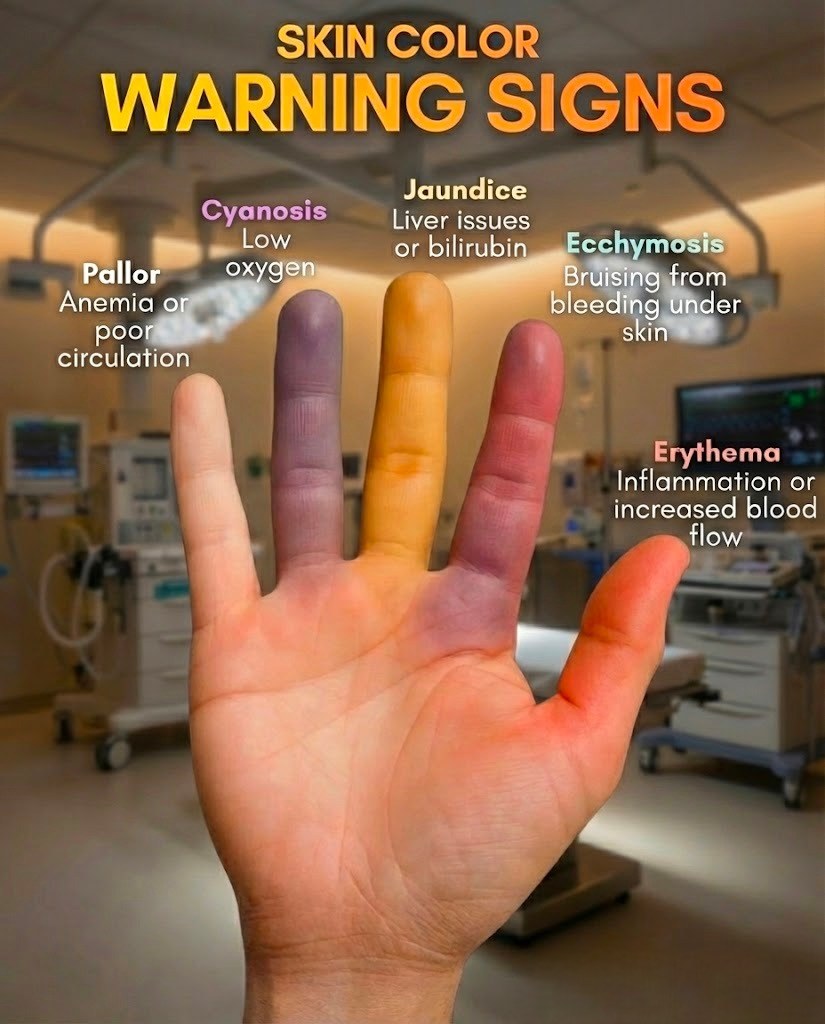
    Cyanosis occurs when the skin, nails, or lips take on a bluish tone. This usually indicates that the body is not receiving enough oxygen, which can result from severe respiratory problems, heart conditions, or blocked airways. Cyanosis is a critical warning that requires immediate medical attention.

    Pallor refers to unusual paleness of the skin. It often suggests anemia, low iron levels, or poor blood circulation. Sudden extreme paleness may mean the body is not getting adequate blood flow. A medical evaluation with blood tests can confirm the cause and guide treatment.

    Jaundice appears as a yellow tint in the skin and the whites of the eyes. It typically signals that the liver is not working correctly or that bilirubin levels are too high. Possible causes include liver infections, hepatitis, gallbladder issues, or other conditions that require prompt medical assessment.

    Ecchymosis presents as dark patches or bruises from bleeding beneath the skin. When bruising occurs without any injury, it may point to a bleeding disorder, vitamin deficiency, or side effects of medications such as blood thinners.

    Erythema is redness of the skin and is commonly associated with inflammation, infection, allergies, or increased blood flow. It can also appear with heat rashes or simple skin irritation.

    Our skin does more than protect us. It communicates important messages about our health. Paying close attention to these changes allows us to recognize early signs of illness and seek the right treatment, prevention, and care in time.

  • A Receipt Note That Made a Bigger Impact Than I Thought

    A Receipt Note That Made a Bigger Impact Than I Thought

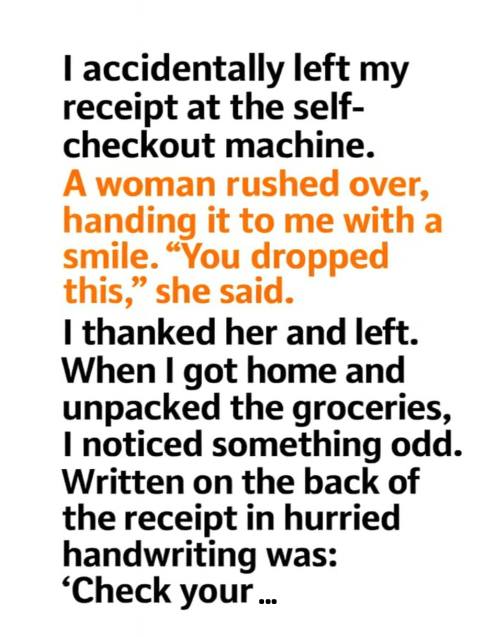
    A routine trip to the grocery store turned into an unexpected reminder of how small acts can change the course of a day. I was rushing through my errands, balancing groceries and trying to avoid breaking eggs when a woman gently tapped my arm. She handed me a receipt and told me I had dropped it. I thanked her, unaware that anything meaningful had just happened.

    I noticed only one unusual detail: her shopping cart held a single blooming hydrangea, an oddly cheerful sight for the middle of winter. After that brief exchange, I carried on with my day, completely forgetting about the receipt in my tote bag. Hours later, when the house was finally quiet, I emptied the bag and noticed the receipt had writing on the back. In hurried handwriting were the words: “Check your back seat.” The message startled me at first, but curiosity quickly replaced anxiety.

    When I went outside to look, I discovered my wallet tucked into a corner of the backseat. I had spent the entire day unaware it was missing. The relief hit hard, not just because of the wallet, but because someone I didn’t know had decided to help me in the simplest possible way. Days later, I tried to find her again, leaving a thank-you note at the store, but never heard back. The gesture stayed with me, though, and subtly changed how I moved through the world.

    I began noticing small acts of consideration and found myself offering quiet help when I could—paying for a forgotten coffee, returning lost items, lending a hand to strangers. None of it felt dramatic, but all of it felt meaningful. Weeks later, I ran into the woman again. She introduced herself as Mara, a teacher who believed in fixing “what you can in under a minute.” Her message still sits on my fridge—a reminder to slow down, pay attention, and leave small kindnesses wherever possible.

  • AN. The Amazing Recovery of a Lost Bear Cub: From Fear to Freedom

    AN. The Amazing Recovery of a Lost Bear Cub: From Fear to Freedom

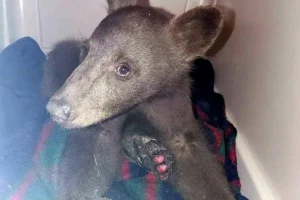
    In the depths of a dense forest, where sunlight filters through thick canopies and shadows dance across the undergrowth, a young bear cub struggled for survival. His small frame shivered as he wandered alone, separated from his mother and siblings. The wilderness, full of beauty and wonder, was also unforgiving and dangerous, especially for one so young, injured, and defenseless. This is the story of a bear cub who, against all odds, transformed from a frightened, injured creature into a resilient, thriving symbol of hope and the power of compassion.
    A Fragile Beginning
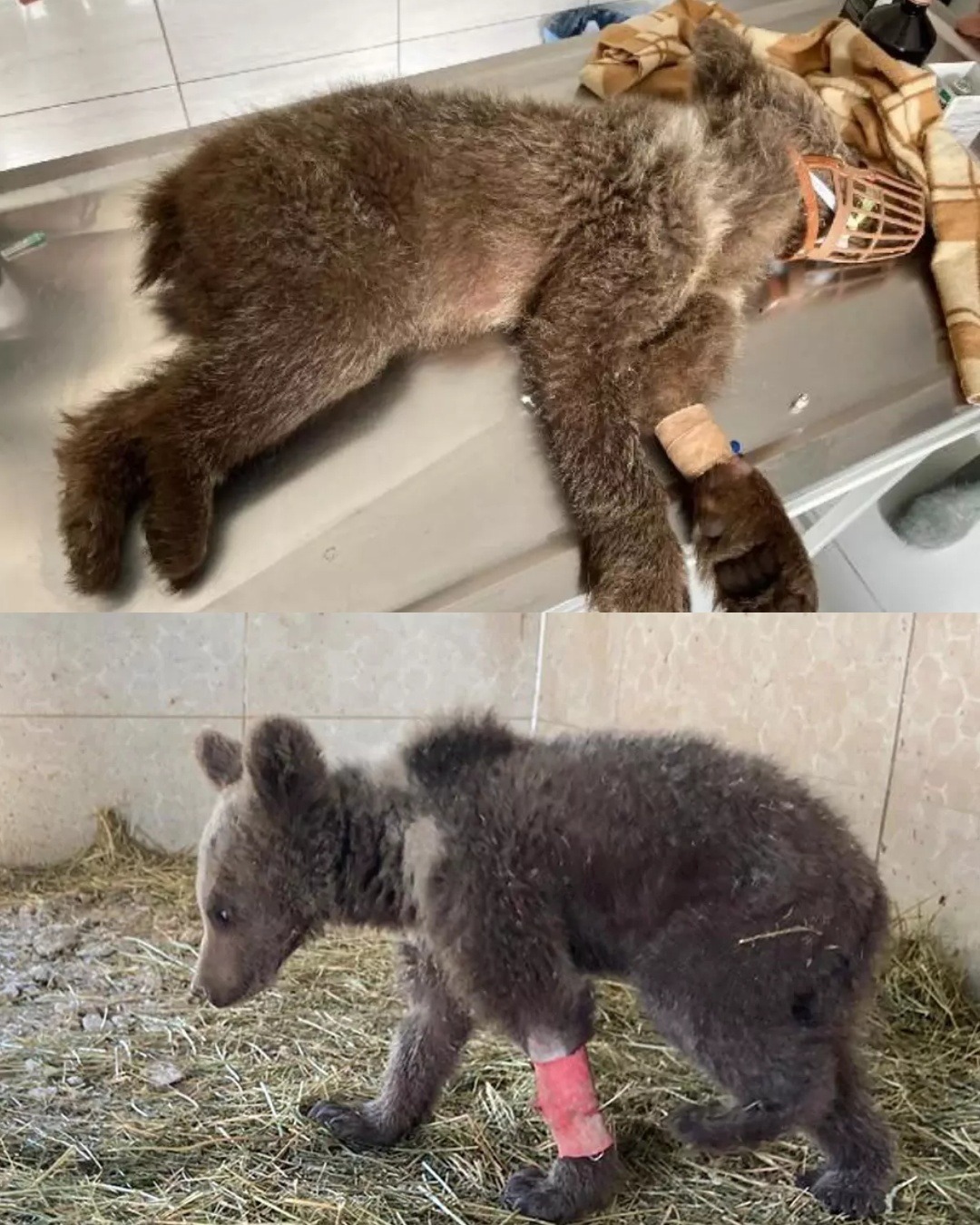
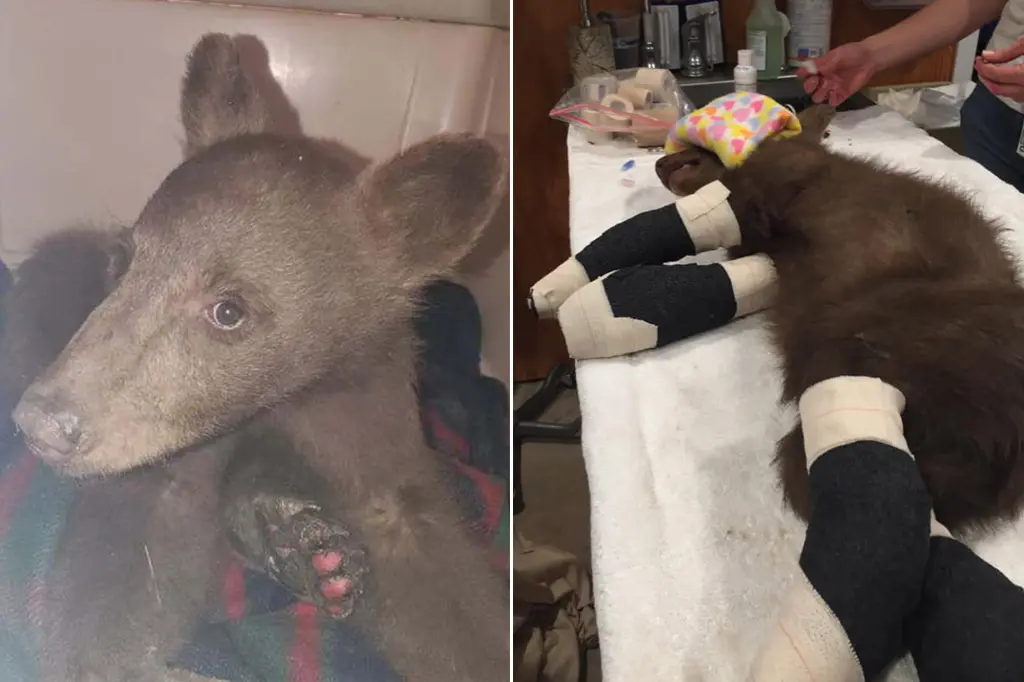
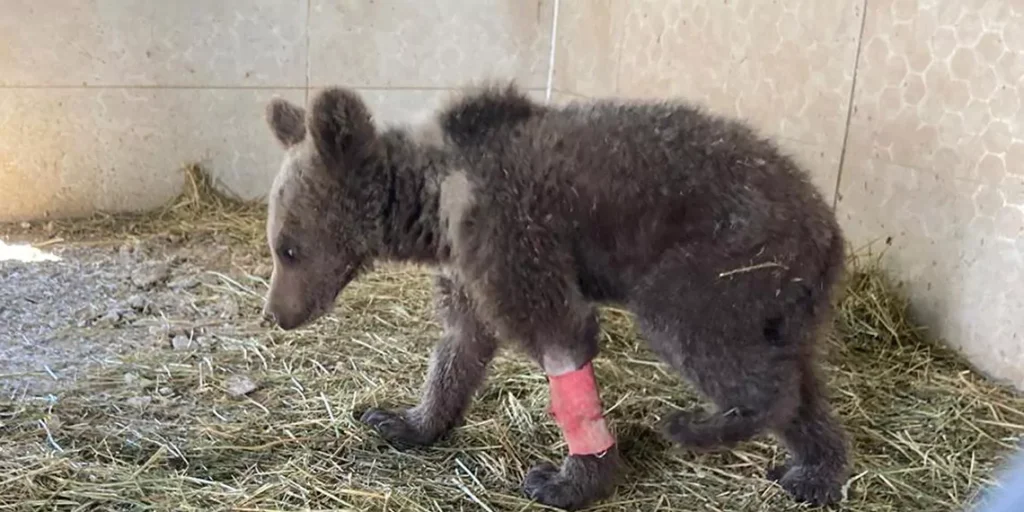
    The cub’s ordeal began with tragedy. One of his legs had been severely injured, likely during an encounter with hunters. The wound was deep and raw, making each step agonizing and threatening his ability to move, forage, and defend himself. Alone in the forest, he faced threats from predators, harsh weather, and starvation.

    Every day was a struggle. His small body, still developing, weakened further with each passing moment. The forest, which should have been a place of safety and growth, now seemed like a labyrinth of threats. Yet, despite the pain and fear, the cub’s survival instinct burned bright. Even in his weakest moments, he refused to give up.

    A Miraculous Encounter
    By sheer chance, a team of dedicated wildlife conservationists patrolling the area stumbled upon the cub. The team specialized in rescuing and rehabilitating injured wildlife, but the sight before them was particularly harrowing. The tiny cub’s fur was matted, his body thin and frail, his eyes wide with terror and pain. He had spent so long alone that trust had become a foreign concept.

    The team knew they had to act with extreme care. A frightened bear, even a cub, can be unpredictable. Approaching too quickly or aggressively could provoke panic or defensive behavior. They understood that this was not just a rescue operation—it was an exercise in patience, understanding, and trust-building.

    Gaining Trust
    The team moved deliberately, keeping their voices soft and their movements slow. They spoke in soothing tones, allowing the cub to observe them from a safe distance. Each moment was critical. Any sudden gesture could shatter the fragile connection forming between human and bear.

    Slowly, cautiously, the cub responded. After several tense minutes, he stepped forward, tentative but willing. This small act of trust was monumental. It marked the beginning of a bond that would ultimately save his life. Carefully, the team lifted the cub, supporting his injured leg. Trembling from exhaustion and pain, he experienced his first moment of safety in weeks.

    Healing the Body
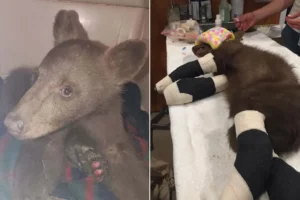
    Once in the care of the team, attention immediately turned to his physical injuries. The wound on his leg had been left untreated for far too long, but the conservationists were skilled and prepared. They cleaned the injury, applied proper bandages, and administered necessary medication to prevent infection.

    Nutrition followed next. For weeks, the cub had struggled to find enough food, and his body had begun to fail. The team provided a carefully monitored diet rich in nutrients essential for recovery. As his strength returned, so did his energy and vitality. With each passing day, the cub regained the ability to move with confidence, his legs gradually becoming strong enough to support him fully.
    Emotional Recovery
    Physical healing was only part of the journey. The cub had endured prolonged fear and isolation, which had deeply affected his emotional state. Patience and consistent care were crucial. The team provided a safe environment, allowing him to explore without fear and slowly learn to trust again.

    Play became an essential part of his rehabilitation. Rolling, climbing, and gentle interaction with caretakers taught him that the world was not always dangerous. Each moment of joy reinforced his confidence. Over time, the light in his eyes returned—the spark of curiosity and bravery that had been buried beneath fear.

    The Power of Resilience
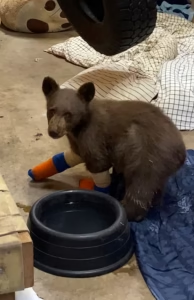
    The cub’s transformation was remarkable. Once too weak to stand properly, he began to explore his surroundings with curiosity and agility. His injured leg, once a hindrance, strengthened through gentle movement and care. Step by step, he reclaimed the skills necessary for survival in the wild.

    Resilience, it became clear, was not just about physical strength. It was about the cub’s unwavering instinct to survive, his willingness to trust, and his ability to adapt to new circumstances. Each milestone, from taking his first confident steps to playful interactions, was a testament to the enduring spirit of life.
    Preparing for Release
    As the cub grew stronger, the team began preparing him for reintegration into the wild. This process required careful planning. He needed to develop hunting skills, learn to navigate the forest, and regain the confidence to respond to natural threats.

    Conservationists designed a series of gradual exercises. They introduced small obstacles, simulated foraging scenarios, and encouraged exploration within a controlled environment. Each success reinforced his independence. The cub, once reliant entirely on human care, started demonstrating the self-sufficiency necessary for survival in his natural habitat.

    A Symbol of Hope
    The bear cub’s journey from despair to vitality is more than an individual success story—it is a powerful illustration of the impact of wildlife conservation and human compassion. His recovery demonstrates that with careful intervention, even the most vulnerable creatures can overcome life-threatening injuries and trauma.

    For the conservation team, the experience reaffirmed the importance of their work. Protecting habitats, rescuing injured animals, and rehabilitating young wildlife are critical steps in maintaining ecological balance and preserving species at risk.
    Lessons in Compassion
    This story also offers lessons for humans. It reminds us that patience, empathy, and consistent care can create life-changing outcomes. In moments of fear and vulnerability, trust can be slowly rebuilt, and with dedication, recovery is possible.

    For wildlife enthusiasts and conservation advocates, the cub’s journey underscores the significance of protecting vulnerable animals and supporting rescue initiatives. Every act of kindness—whether through volunteer work, donations, or awareness campaigns—can contribute to similar stories of hope and survival.

    Rejoining the Wild
    Eventually, the cub reached a stage where he could safely return to his natural environment. His physical strength, emotional resilience, and newly regained instincts made him ready to face the challenges of the wild once more.

    The day of release was both emotional and celebratory. The cub stepped into the forest with confidence, exploring his surroundings with a newfound curiosity. The team watched as he disappeared into the underbrush, a healthy, independent bear ready to thrive. His survival was a victory not only for him but for the entire conservation effort.
    A Lasting Legacy
    The cub’s journey serves as a reminder of the delicate balance between vulnerability and resilience in the natural world. His story inspires hope for countless other animals facing injuries, abandonment, or the challenges of harsh environments. It is a testament to the transformative power of human intervention combined with the innate drive to survive.

    Through his recovery, we learn that even the smallest, weakest creatures can overcome adversity when given the right support. The cub went from a frightened, trembling animal to a confident, strong bear, fully capable of embracing life in the wild. His story embodies the essence of survival, trust, and the unyielding spirit of nature.

    Conclusion
    From fear to freedom, this bear cub’s journey illustrates the power of resilience, compassion, and trust. His story shows that recovery is possible, even under the harshest conditions, and highlights the importance of wildlife conservation, patient rehabilitation, and human dedication.

    In the wilderness, every creature has a role to play, and every life carries value. This cub’s journey from near-death to thriving freedom reminds us that hope can flourish, even in the darkest moments, and that the bond between humans and animals can create miraculous outcomes.

    By protecting wildlife, supporting rehabilitation efforts, and fostering empathy toward vulnerable creatures, we can ensure that more stories like this one are written—tales of survival, courage, and the enduring triumph of life.
  • I saw this in my son’s bathroom. What is this?

    I saw this in my son’s bathroom. What is this?

    During a routine home renovation, a surprising discovery left a family both curious and slightly confused. While removing an old interior door, workers found a small mechanism tucked inside the frame — about six inches long, with a rounded stone-like tip. The object didn’t match any modern hardware, and its simple appearance made its purpose even harder to identify.


    What seemed like a typical renovation quickly turned into an unexpected mystery. Wanting answers, the homeowners shared their find online, where it immediately captured attention. Forum users described the item as unusual and unlike anything commonly seen in today’s homes. Some speculated that it might be part of an old door support or a handmade pin installed decades earlier.

    Others noted that older houses often contain improvised fixes made by previous owners, making unusual hardware far more common than people realize. The conversation soon expanded as users offered creative theories. A few suggested historical possibilities involving secret communication windows or early safety mechanisms used before modern locks became standard.


    Others reacted with humor, sharing similar strange discoveries from their own renovations and noting how older homes tend to hold unexpected surprises behind walls, floors, and doors. Although its exact purpose remains unclear, the discovery highlights how everyday houses can contain pieces of forgotten history. Small, unexplained objects like this one remind homeowners that renovations often uncover traces of past craftsmanship, habits, and hidden solutions left behind by earlier generations.

  • American women are now flying all the way to Seoul for a trending skincare procedure called Rejuran

    American women are now flying all the way to Seoul for a trending skincare procedure called Rejuran

    American women are now flying all the way to Seoul for a trending skincare procedure called Rejuran — a treatment made from salmon sperm DNA. It sounds shocking, but this polynucleotide-based formula is said to repair skin at a cellular level, boost collagen, and create the famous “glass skin” glow seen on K-pop stars. Celebrities like Kim Kardashian and Jennifer Aniston have reportedly tried it, adding even more hype.

    A single session can involve 100–150 tiny injections across the face, delivering the DNA beneath the skin’s surface. Fans claim it tightens, brightens, and rejuvenates like nothing else.

    But here’s the important part:
    While the treatment is wildly popular in South Korea, it hasn’t been fully studied or approved in the U.S. Long-term effects are still unclear, and dermatologists advise caution until more research is done.

    Beauty innovation evolves fast — but sometimes faster than science. Would you try it?

  • A Misunderstanding That Led to New Neighborly Friendship

    A Misunderstanding That Led to New Neighborly Friendship

    The house next to ours had been empty for a few years, but a few months ago new neighbors moved in. A couple of weeks ago the dad told us to stop using our pool. We ignored his request. The next day, we caught his son staring at us from the balcony and saw a look on his face that seemed more confused than upset, almost as if he was trying to understand why we were swimming there in the first place. At first, we brushed it off, thinking he was just curious about the neighborhood or trying to get used to his new surroundings. After all, moving into a new home after years of vacancy can be overwhelming, and people often need time to adjust. Still, it felt unusual that the father had told us to stop using something that clearly belonged to our property. We decided not to make a big deal of it, but the moment lingered in our minds longer than expected.


    A few days later, the family’s mother visited our doorstep with a friendly smile and a tray of pastries. She introduced herself and explained that they were still learning the layout of the property lines, as the house had changed owners twice before they bought it. She apologized on behalf of her husband, who had misunderstood where the boundary fences were set. According to her, he thought the pool was jointly shared or part of a community feature, not realizing it was built solely on our land. Her explanation softened the tension immediately, and we found ourselves welcoming her warmly. Her openness made us realize that the situation had likely stemmed from confusion rather than conflict.


    As the conversation continued, she shared that their son had been fascinated by the pool because he had never lived in a house with one nearby. He wasn’t watching us out of discomfort; he was simply mesmerized by the idea of people enjoying something he had only seen in pictures. The boy had felt too shy to introduce himself, so he watched from a distance, hoping one of us would wave or say hello. Learning this brought a surprising sense of relief. What we interpreted as discomfort or judgment was actually innocent curiosity. With that understanding, we invited the family to join us for a casual afternoon gathering so the children could meet and play.


    By the end of the week, what began as a misunderstanding transformed into a new neighborhood friendship. The father came by to apologize personally, grateful that we had been patient rather than defensive. We clarified the boundaries of the property together, discussed future plans for both houses, and found that we shared similar values when it came to community and communication. The boy finally approached us with a bright smile, excited to be part of a friendly neighborhood. In the end, the experience served as a reminder that assumptions can easily create unnecessary distance, while a simple conversation has the power to build meaningful connections. What started with confusion over a pool became the beginning of a warm and welcoming relationship with our new neighbors.